Elevating Workforce Health & Safety .
Occupational medicine (or labour medicine) focuses on the relationship between health and work, aiming to prevent workplace injuries, assess fitness for duty, and ensure safe, compliant, and ergonomic environments.
HAEMATOLOGY •
BLOOD TRANSFUSION •
MICROBIOLOGY •
PARASITOLOGY •
HISTOLOGY •
CYTOLOGY •
MOLECULAR BIOLOGY AND GENETICS •
PHLEBOTOMY •
BIOCHEMISTRY •
ENDOCRINOLOGY •
VIROLOGY •
HAEMATOLOGY •
BLOOD TRANSFUSION •
MICROBIOLOGY •
PARASITOLOGY •
HISTOLOGY •
CYTOLOGY •
MOLECULAR BIOLOGY AND GENETICS •
PHLEBOTOMY •
BIOCHEMISTRY •
ENDOCRINOLOGY •
VIROLOGY •
Areas of FOCUS
Pillars of Labour Medicine
Labour Medicine sits at the intersection of clinical care, industrial hygiene, legal compliance, and ergonomic design.

Pre-Employment & Fit-for-Duty Exams
Screening candidates or staff to ensure they meet physical and environmental standards—like heavy lifting or vision checks—preventing harm to themselves or others.

Workplace Hazard Prevention
Assessing job hazards like chemicals, noise, and strain to recommend protective gear or workflow adjustments, ensuring a safer work environment.

Work-Related Injury & Exposure Management
Diagnosing and treating workplace injuries, including chemical burns, fractures, and strains, while managing Workers’ Compensation processes for full employee recovery.

Medical Surveillance:
Running periodic screenings like audiograms or blood-lead panels to detect occupational diseases early, preventing permanent health damage for exposed workers.

Return-to-Work & Rehabilitation
Helping injured or ill workers safely return to duties using temporary or permanent reasonable accommodations, ensuring smooth, compliant, and sustainable workplace transitions.
Featured TESTS
Understand Your Medical Laboratory Tests.
Clear, evidence-based breakdowns of clinical biomarkers and lab values. Designed to help patients understand their health data and support medical students in mastering diagnostic analysis.
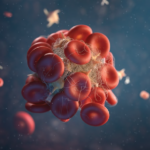
Haematology
is the medical field dedicated to studying, diagnosing, and treating blood and lymphatic system disorders.
Core Components of Blood
Haematology focuses on both the cellular components suspended in blood and the fluid matrix carrying them:
- Erythrocytes (Red Blood Cells): Contain hemoglobin, an iron-rich protein that transports oxygen from the lungs to body tissues and returns carbon dioxide back to the lungs.
- Leukocytes (White Blood Cells): The core of the immune system. They defend against infections, pathogens, and foreign substances. Key subtypes include:
- Granulocytes (Neutrophils, Eosinophils, Basophils)
- Agranulocytes (Lymphocytes, Monocytes)
- Thrombocytes (Platelets): Cell fragments that initiate blood clotting to stop bleeding following vascular injury.
- Plasma: The liquid portion composed of water, electrolytes, proteins (albumin, globulins, fibrinogen), and nutrients.
Key Clinical Focus Areas
Haematology encompasses both non-malignant conditions and blood cancers, along with essential laboratory diagnostic testing:
| Area | Primary Conditions & Functions | Common Tests |
| Red Blood Cell Disorders | Anemia (iron-deficiency, sickle cell, aplastic), Thalassemia, Polycythemia | Full Blood Count (FBC/CBC), Ferritin, Reticulocyte count |
| Coagulation & Hemostasis | Hemophilia, Von Willebrand disease, Deep Vein Thrombosis (DVT) | Prothrombin Time (PT/INR), APTT, D-Dimer |
| Haematological Malignancies | Leukemia, Lymphoma (Hodgkin & Non-Hodgkin), Multiple Myeloma | Bone marrow biopsy, Flow cytometry, Cytogenetics |
| Transfusion Medicine | ABO & Rh blood typing, crossmatching, blood product preparation | Blood grouping, Antibody screening |
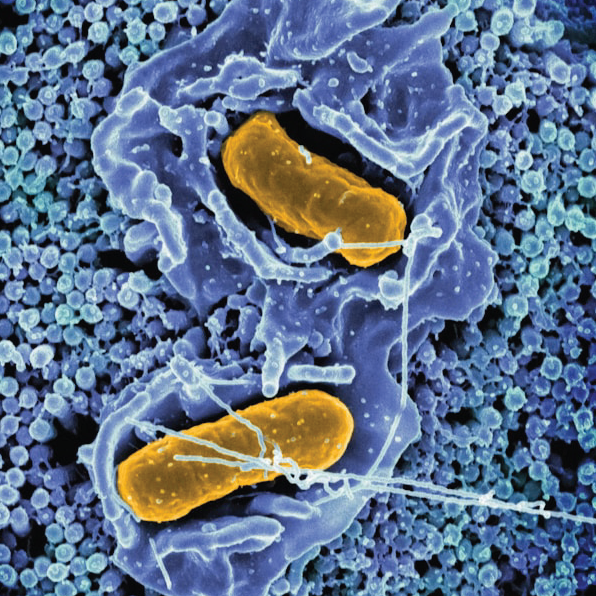
Microbiology & Virology
is the scientific study of microscopic organisms, including bacteria, viruses, fungi, protozoa, and algae.
Core Components of Blood
Haematology focuses on both the cellular components suspended in blood and the fluid matrix carrying them:
- Erythrocytes (Red Blood Cells): Contain hemoglobin, an iron-rich protein that transports oxygen from the lungs to body tissues and returns carbon dioxide back to the lungs.
- Leukocytes (White Blood Cells): The core of the immune system. They defend against infections, pathogens, and foreign substances. Key subtypes include:
- Granulocytes (Neutrophils, Eosinophils, Basophils)
- Agranulocytes (Lymphocytes, Monocytes)
- Thrombocytes (Platelets): Cell fragments that initiate blood clotting to stop bleeding following vascular injury.
- Plasma: The liquid portion composed of water, electrolytes, proteins (albumin, globulins, fibrinogen), and nutrients.
Key Clinical Focus Areas
Haematology encompasses both non-malignant conditions and blood cancers, along with essential laboratory diagnostic testing:
| Area | Primary Conditions & Functions | Common Tests |
| Red Blood Cell Disorders | Anemia (iron-deficiency, sickle cell, aplastic), Thalassemia, Polycythemia | Full Blood Count (FBC/CBC), Ferritin, Reticulocyte count |
| Coagulation & Hemostasis | Hemophilia, Von Willebrand disease, Deep Vein Thrombosis (DVT) | Prothrombin Time (PT/INR), APTT, D-Dimer |
| Haematological Malignancies | Leukemia, Lymphoma (Hodgkin & Non-Hodgkin), Multiple Myeloma | Bone marrow biopsy, Flow cytometry, Cytogenetics |
| Transfusion Medicine | ABO & Rh blood typing, crossmatching, blood product preparation | Blood grouping, Antibody screening |
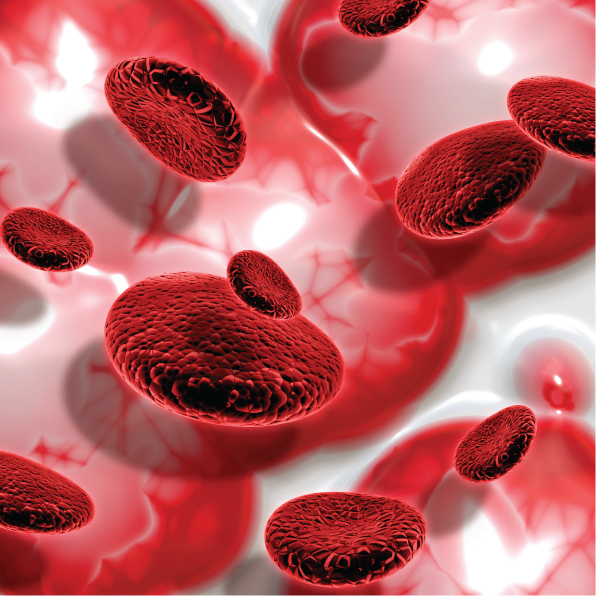
Blood transfusion
intravenously delivers donated blood components to treat severe blood loss, anemia, or disease.
Core Components of Blood
Haematology focuses on both the cellular components suspended in blood and the fluid matrix carrying them:
- Erythrocytes (Red Blood Cells): Contain hemoglobin, an iron-rich protein that transports oxygen from the lungs to body tissues and returns carbon dioxide back to the lungs.
- Leukocytes (White Blood Cells): The core of the immune system. They defend against infections, pathogens, and foreign substances. Key subtypes include:
- Granulocytes (Neutrophils, Eosinophils, Basophils)
- Agranulocytes (Lymphocytes, Monocytes)
- Thrombocytes (Platelets): Cell fragments that initiate blood clotting to stop bleeding following vascular injury.
- Plasma: The liquid portion composed of water, electrolytes, proteins (albumin, globulins, fibrinogen), and nutrients.
Key Clinical Focus Areas
Haematology encompasses both non-malignant conditions and blood cancers, along with essential laboratory diagnostic testing:
| Area | Primary Conditions & Functions | Common Tests |
| Red Blood Cell Disorders | Anemia (iron-deficiency, sickle cell, aplastic), Thalassemia, Polycythemia | Full Blood Count (FBC/CBC), Ferritin, Reticulocyte count |
| Coagulation & Hemostasis | Hemophilia, Von Willebrand disease, Deep Vein Thrombosis (DVT) | Prothrombin Time (PT/INR), APTT, D-Dimer |
| Haematological Malignancies | Leukemia, Lymphoma (Hodgkin & Non-Hodgkin), Multiple Myeloma | Bone marrow biopsy, Flow cytometry, Cytogenetics |
| Transfusion Medicine | ABO & Rh blood typing, crossmatching, blood product preparation | Blood grouping, Antibody screening |
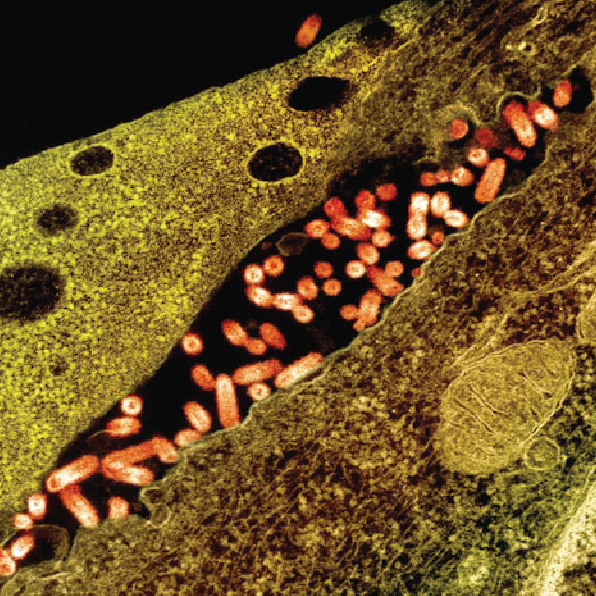
Parasitology
is the scientific study of parasites and host relationships where the parasite lives off the host at its expense.
Core Components of Blood
Haematology focuses on both the cellular components suspended in blood and the fluid matrix carrying them:
- Erythrocytes (Red Blood Cells): Contain hemoglobin, an iron-rich protein that transports oxygen from the lungs to body tissues and returns carbon dioxide back to the lungs.
- Leukocytes (White Blood Cells): The core of the immune system. They defend against infections, pathogens, and foreign substances. Key subtypes include:
- Granulocytes (Neutrophils, Eosinophils, Basophils)
- Agranulocytes (Lymphocytes, Monocytes)
- Thrombocytes (Platelets): Cell fragments that initiate blood clotting to stop bleeding following vascular injury.
- Plasma: The liquid portion composed of water, electrolytes, proteins (albumin, globulins, fibrinogen), and nutrients.
Key Clinical Focus Areas
Haematology encompasses both non-malignant conditions and blood cancers, along with essential laboratory diagnostic testing:
| Area | Primary Conditions & Functions | Common Tests |
| Red Blood Cell Disorders | Anemia (iron-deficiency, sickle cell, aplastic), Thalassemia, Polycythemia | Full Blood Count (FBC/CBC), Ferritin, Reticulocyte count |
| Coagulation & Hemostasis | Hemophilia, Von Willebrand disease, Deep Vein Thrombosis (DVT) | Prothrombin Time (PT/INR), APTT, D-Dimer |
| Haematological Malignancies | Leukemia, Lymphoma (Hodgkin & Non-Hodgkin), Multiple Myeloma | Bone marrow biopsy, Flow cytometry, Cytogenetics |
| Transfusion Medicine | ABO & Rh blood typing, crossmatching, blood product preparation | Blood grouping, Antibody screening |
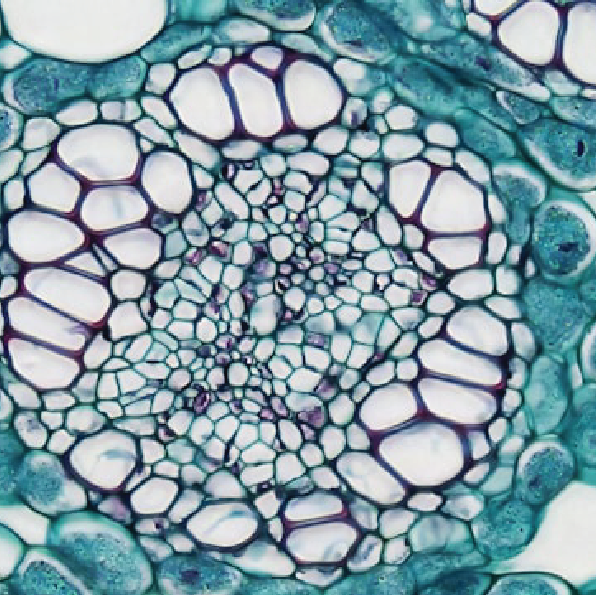
Histology
is the microscopic study of biological tissues, analyzing how cells organize to form functional organs.
Core Components of Blood
Haematology focuses on both the cellular components suspended in blood and the fluid matrix carrying them:
- Erythrocytes (Red Blood Cells): Contain hemoglobin, an iron-rich protein that transports oxygen from the lungs to body tissues and returns carbon dioxide back to the lungs.
- Leukocytes (White Blood Cells): The core of the immune system. They defend against infections, pathogens, and foreign substances. Key subtypes include:
- Granulocytes (Neutrophils, Eosinophils, Basophils)
- Agranulocytes (Lymphocytes, Monocytes)
- Thrombocytes (Platelets): Cell fragments that initiate blood clotting to stop bleeding following vascular injury.
- Plasma: The liquid portion composed of water, electrolytes, proteins (albumin, globulins, fibrinogen), and nutrients.
Key Clinical Focus Areas
Haematology encompasses both non-malignant conditions and blood cancers, along with essential laboratory diagnostic testing:
| Area | Primary Conditions & Functions | Common Tests |
| Red Blood Cell Disorders | Anemia (iron-deficiency, sickle cell, aplastic), Thalassemia, Polycythemia | Full Blood Count (FBC/CBC), Ferritin, Reticulocyte count |
| Coagulation & Hemostasis | Hemophilia, Von Willebrand disease, Deep Vein Thrombosis (DVT) | Prothrombin Time (PT/INR), APTT, D-Dimer |
| Haematological Malignancies | Leukemia, Lymphoma (Hodgkin & Non-Hodgkin), Multiple Myeloma | Bone marrow biopsy, Flow cytometry, Cytogenetics |
| Transfusion Medicine | ABO & Rh blood typing, crossmatching, blood product preparation | Blood grouping, Antibody screening |
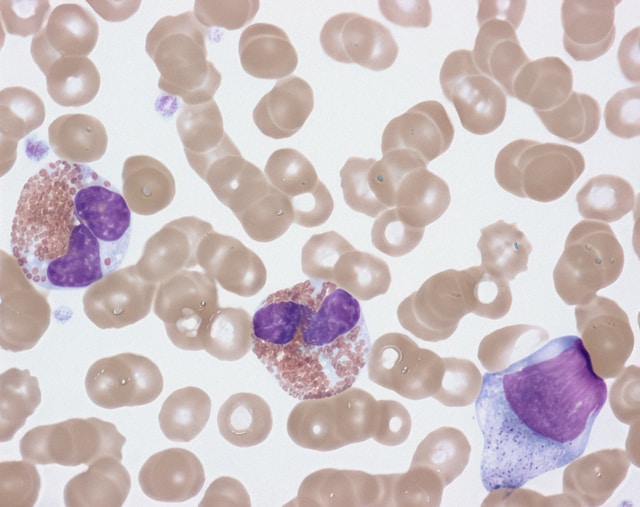
Cytology
analyzes individual cells from fluids, scrapings, or aspirations to diagnose precancerous states, infections, and cancers.
Core Components of Blood
Haematology focuses on both the cellular components suspended in blood and the fluid matrix carrying them:
- Erythrocytes (Red Blood Cells): Contain hemoglobin, an iron-rich protein that transports oxygen from the lungs to body tissues and returns carbon dioxide back to the lungs.
- Leukocytes (White Blood Cells): The core of the immune system. They defend against infections, pathogens, and foreign substances. Key subtypes include:
- Granulocytes (Neutrophils, Eosinophils, Basophils)
- Agranulocytes (Lymphocytes, Monocytes)
- Thrombocytes (Platelets): Cell fragments that initiate blood clotting to stop bleeding following vascular injury.
- Plasma: The liquid portion composed of water, electrolytes, proteins (albumin, globulins, fibrinogen), and nutrients.
Key Clinical Focus Areas
Haematology encompasses both non-malignant conditions and blood cancers, along with essential laboratory diagnostic testing:
| Area | Primary Conditions & Functions | Common Tests |
| Red Blood Cell Disorders | Anemia (iron-deficiency, sickle cell, aplastic), Thalassemia, Polycythemia | Full Blood Count (FBC/CBC), Ferritin, Reticulocyte count |
| Coagulation & Hemostasis | Hemophilia, Von Willebrand disease, Deep Vein Thrombosis (DVT) | Prothrombin Time (PT/INR), APTT, D-Dimer |
| Haematological Malignancies | Leukemia, Lymphoma (Hodgkin & Non-Hodgkin), Multiple Myeloma | Bone marrow biopsy, Flow cytometry, Cytogenetics |
| Transfusion Medicine | ABO & Rh blood typing, crossmatching, blood product preparation | Blood grouping, Antibody screening |
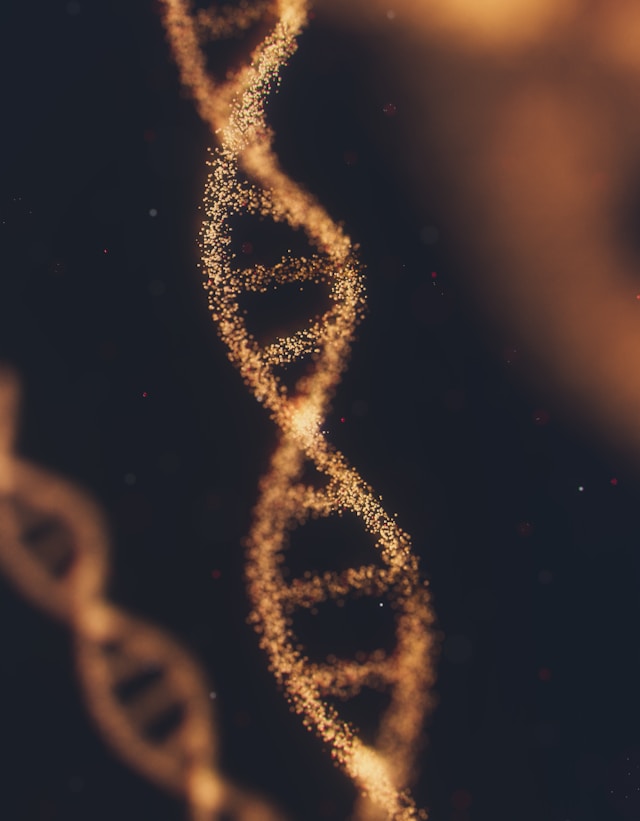
Molecular biology and genetics
analyze DNA, RNA, and heredity to understand gene function and cell processes.
Core Components of Blood
Haematology focuses on both the cellular components suspended in blood and the fluid matrix carrying them:
- Erythrocytes (Red Blood Cells): Contain hemoglobin, an iron-rich protein that transports oxygen from the lungs to body tissues and returns carbon dioxide back to the lungs.
- Leukocytes (White Blood Cells): The core of the immune system. They defend against infections, pathogens, and foreign substances. Key subtypes include:
- Granulocytes (Neutrophils, Eosinophils, Basophils)
- Agranulocytes (Lymphocytes, Monocytes)
- Thrombocytes (Platelets): Cell fragments that initiate blood clotting to stop bleeding following vascular injury.
- Plasma: The liquid portion composed of water, electrolytes, proteins (albumin, globulins, fibrinogen), and nutrients.
Key Clinical Focus Areas
Haematology encompasses both non-malignant conditions and blood cancers, along with essential laboratory diagnostic testing:
| Area | Primary Conditions & Functions | Common Tests |
| Red Blood Cell Disorders | Anemia (iron-deficiency, sickle cell, aplastic), Thalassemia, Polycythemia | Full Blood Count (FBC/CBC), Ferritin, Reticulocyte count |
| Coagulation & Hemostasis | Hemophilia, Von Willebrand disease, Deep Vein Thrombosis (DVT) | Prothrombin Time (PT/INR), APTT, D-Dimer |
| Haematological Malignancies | Leukemia, Lymphoma (Hodgkin & Non-Hodgkin), Multiple Myeloma | Bone marrow biopsy, Flow cytometry, Cytogenetics |
| Transfusion Medicine | ABO & Rh blood typing, crossmatching, blood product preparation | Blood grouping, Antibody screening |
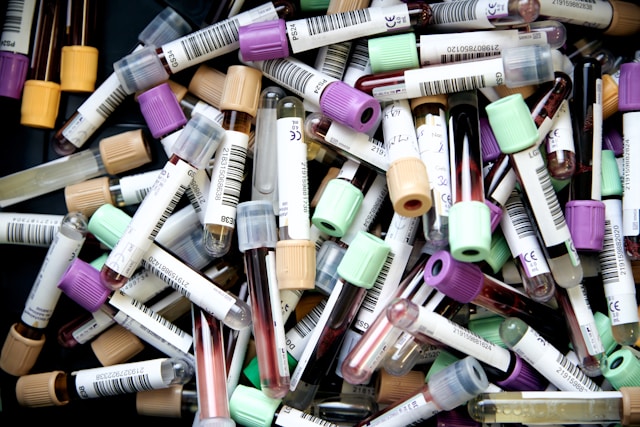
Phlebotomy
collects venous blood samples, ensuring specimen integrity and accurate diagnostic results across laboratory departments.
Core Components of Blood
Haematology focuses on both the cellular components suspended in blood and the fluid matrix carrying them:
- Erythrocytes (Red Blood Cells): Contain hemoglobin, an iron-rich protein that transports oxygen from the lungs to body tissues and returns carbon dioxide back to the lungs.
- Leukocytes (White Blood Cells): The core of the immune system. They defend against infections, pathogens, and foreign substances. Key subtypes include:
- Granulocytes (Neutrophils, Eosinophils, Basophils)
- Agranulocytes (Lymphocytes, Monocytes)
- Thrombocytes (Platelets): Cell fragments that initiate blood clotting to stop bleeding following vascular injury.
- Plasma: The liquid portion composed of water, electrolytes, proteins (albumin, globulins, fibrinogen), and nutrients.
Key Clinical Focus Areas
Haematology encompasses both non-malignant conditions and blood cancers, along with essential laboratory diagnostic testing:
| Area | Primary Conditions & Functions | Common Tests |
| Red Blood Cell Disorders | Anemia (iron-deficiency, sickle cell, aplastic), Thalassemia, Polycythemia | Full Blood Count (FBC/CBC), Ferritin, Reticulocyte count |
| Coagulation & Hemostasis | Hemophilia, Von Willebrand disease, Deep Vein Thrombosis (DVT) | Prothrombin Time (PT/INR), APTT, D-Dimer |
| Haematological Malignancies | Leukemia, Lymphoma (Hodgkin & Non-Hodgkin), Multiple Myeloma | Bone marrow biopsy, Flow cytometry, Cytogenetics |
| Transfusion Medicine | ABO & Rh blood typing, crossmatching, blood product preparation | Blood grouping, Antibody screening |
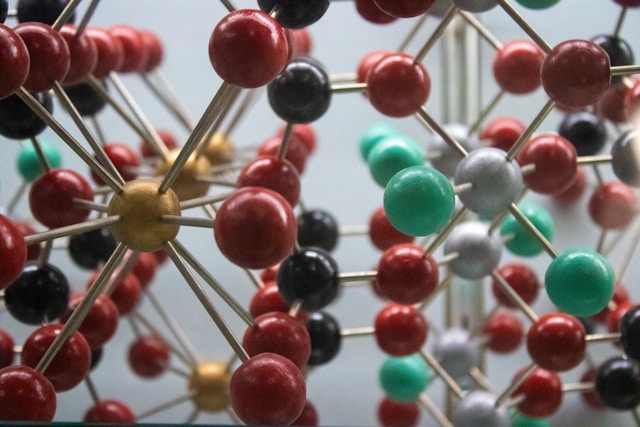
Biochemistry
analyzes biological fluids to measure enzymes, electrolytes, and metabolic markers for evaluating organ health.
Core Components of Blood
Haematology focuses on both the cellular components suspended in blood and the fluid matrix carrying them:
- Erythrocytes (Red Blood Cells): Contain hemoglobin, an iron-rich protein that transports oxygen from the lungs to body tissues and returns carbon dioxide back to the lungs.
- Leukocytes (White Blood Cells): The core of the immune system. They defend against infections, pathogens, and foreign substances. Key subtypes include:
- Granulocytes (Neutrophils, Eosinophils, Basophils)
- Agranulocytes (Lymphocytes, Monocytes)
- Thrombocytes (Platelets): Cell fragments that initiate blood clotting to stop bleeding following vascular injury.
- Plasma: The liquid portion composed of water, electrolytes, proteins (albumin, globulins, fibrinogen), and nutrients.
Key Clinical Focus Areas
Haematology encompasses both non-malignant conditions and blood cancers, along with essential laboratory diagnostic testing:
| Area | Primary Conditions & Functions | Common Tests |
| Red Blood Cell Disorders | Anemia (iron-deficiency, sickle cell, aplastic), Thalassemia, Polycythemia | Full Blood Count (FBC/CBC), Ferritin, Reticulocyte count |
| Coagulation & Hemostasis | Hemophilia, Von Willebrand disease, Deep Vein Thrombosis (DVT) | Prothrombin Time (PT/INR), APTT, D-Dimer |
| Haematological Malignancies | Leukemia, Lymphoma (Hodgkin & Non-Hodgkin), Multiple Myeloma | Bone marrow biopsy, Flow cytometry, Cytogenetics |
| Transfusion Medicine | ABO & Rh blood typing, crossmatching, blood product preparation | Blood grouping, Antibody screening |
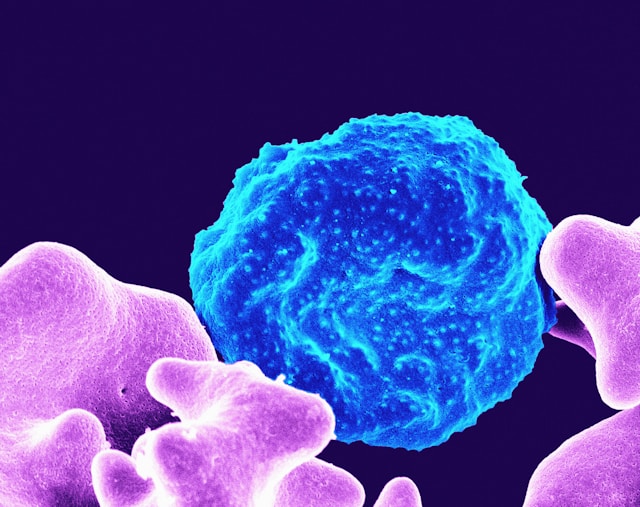
Endocrinology
studies glands and hormones regulating metabolism, growth, and mood to diagnose chemical imbalances accurately.
Core Components of Blood
Haematology focuses on both the cellular components suspended in blood and the fluid matrix carrying them:
- Erythrocytes (Red Blood Cells): Contain hemoglobin, an iron-rich protein that transports oxygen from the lungs to body tissues and returns carbon dioxide back to the lungs.
- Leukocytes (White Blood Cells): The core of the immune system. They defend against infections, pathogens, and foreign substances. Key subtypes include:
- Granulocytes (Neutrophils, Eosinophils, Basophils)
- Agranulocytes (Lymphocytes, Monocytes)
- Thrombocytes (Platelets): Cell fragments that initiate blood clotting to stop bleeding following vascular injury.
- Plasma: The liquid portion composed of water, electrolytes, proteins (albumin, globulins, fibrinogen), and nutrients.
Key Clinical Focus Areas
Haematology encompasses both non-malignant conditions and blood cancers, along with essential laboratory diagnostic testing:
| Area | Primary Conditions & Functions | Common Tests |
| Red Blood Cell Disorders | Anemia (iron-deficiency, sickle cell, aplastic), Thalassemia, Polycythemia | Full Blood Count (FBC/CBC), Ferritin, Reticulocyte count |
| Coagulation & Hemostasis | Hemophilia, Von Willebrand disease, Deep Vein Thrombosis (DVT) | Prothrombin Time (PT/INR), APTT, D-Dimer |
| Haematological Malignancies | Leukemia, Lymphoma (Hodgkin & Non-Hodgkin), Multiple Myeloma | Bone marrow biopsy, Flow cytometry, Cytogenetics |
| Transfusion Medicine | ABO & Rh blood typing, crossmatching, blood product preparation | Blood grouping, Antibody screening |